
Key Takeaways
- Choose shutters based on your home’s style, window size, and intended function—not appearance alone.
- Shutter America offers custom Bahama, panel, louver, and specialty shutter designs.
- Provide accurate measurements, photos, and project goals for the best fit.
- Decorative shutters are not the same as storm-rated protective shutters.
- Careful planning helps ensure a functional, attractive, and long-lasting installation.
A Bahama shutters request often starts with a simple goal: add shade, personality, and a finished architectural look to a home. The right result, however, depends on more than choosing a coastal-inspired picture online. Homeowners need shutters that suit their window dimensions, exterior style, intended use, material preferences, and installation conditions. Shutter America helps turn an initial idea into a more informed custom-shutter project, whether the homeowner is considering Bahama shutters, raised panels, louvers, or another exterior design.
As a family-owned, American-made shutter company with a history dating back to 1992, Shutter America approaches shutters as architectural elements rather than generic accessories. A request for Bahama or Bermuda shutters may lead to that top-hinged style, but it can also reveal that a raised-panel, flat-panel, combination, or specialty shutter would better suit the home. The best starting point is a clear conversation about appearance, function, proportion, hardware, and local requirements.
Why Is a Bahama Shutters Request a Custom Design Question?
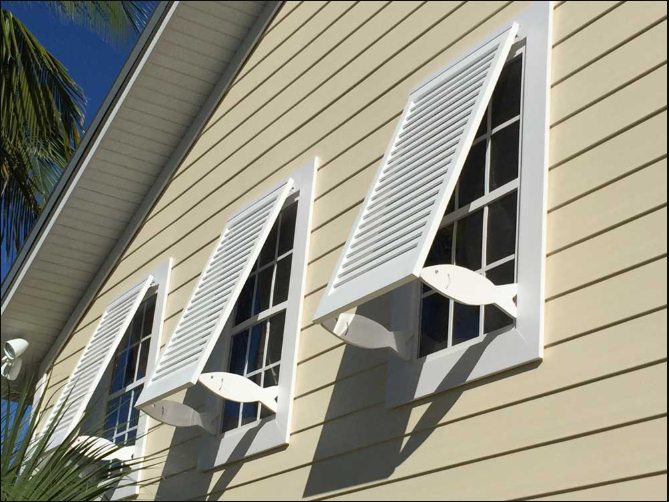
Bahama shutters, often called Bermuda shutters, are recognizable for their top-hinged construction and outward angle. They can create shade, support airflow when designed to operate, provide privacy, and add a relaxed coastal character. Yet their angle, width, hardware, and placement must work with the home rather than compete with it.
Before requesting a quote, homeowners should identify the following details:
- Accurate width and height measurements for every window opening.
- Whether the shutters will be decorative, operable, protective, or a blend of these roles.
- The primary goal is shade, ventilation, privacy, curb appeal, or storm preparation.
- The home’s architecture, exterior colors, trim depth, and regional weather exposure.
- Preferred materials, finishes, and maintenance expectations.
- Hardware preferences, including hinges, stays, latches, pintles, shutter dogs, and decorative accents.
How Do Bahama Shutters Compare With Panel Shutters?
Different shutter styles create different visual and practical results. Shutter America can help homeowners compare options before committing to one look.
- Bahama or Bermuda shutters: Top-hinged, angled shutters with a shaded, coastal, outdoor-living feel. They are often selected for visual interest, shade, ventilation, and privacy.
- Raised panel shutters: Solid, structured shutters that bring a traditional and substantial appearance to formal homes, ranch houses, and classic elevations.
- Flat panel shutters: Cleaner and simpler in profile, making them a strong option for contemporary or transitional exteriors.
- Louver shutters: A lighter, classic style that can add texture and traditional visual balance around windows.
- Combination shutters: Designs that blend louver and panel components for homeowners seeking a more individualized appearance.
Shutter America’s panel shutter gallery is useful for comparing panel proportions, colors, stained finishes, raised details, and hardware choices. A homeowner who initially wants Bahama shutters may find that solid panels or a combined design better complement the property’s trim, roofline, and overall character.
Can Exterior Shutters Do More Than Improve Curb Appeal.
Yes, but the function should be discussed honestly. Exterior shutters can help with sun management, privacy, ventilation, visual balance, and the protection of window openings when they are specifically designed and installed for that purpose. Decorative shutters are not automatically storm-rated shutters.
Homeowners in hurricane-prone or high-wind locations should review FEMA guidance on hurricane shutters and ask direct questions about a product’s specifications, attachment methods, engineering, deployment process, and applicable local building codes. A shutter intended for windborne-debris protection must be evaluated as an opening-protection system, not assumed to perform that role because it looks substantial.
Why Does Planning Matter Before Severe Weather Arrives?
Preparing for storms is most effective when done ahead of a weather event. A study conducted by FEMA in Broward County found that implementing 12 wind-mitigation projects across 15 buildings resulted in approximately $10.4 million in avoided losses. This was offset by costs of $2.15 million, yielding a return on investment of 4.83. While these figures are specific to the study, they emphasize the importance of proper opening protection.
Regional factors also play a significant role; for instance, homes in Texas face intense weather conditions, and since 1980, tropical cyclones have caused over $1.5 trillion in damage across the United States. Additionally, local conditions and the quality of installation are crucial for ensuring effective storm protection.
How Should Homeowners Prepare a Request for Shutter America?
- Measure each proposed opening and note any unusual trim, arches, obstructions, or depth limitations.
- Take clear photos of the front, side, and rear elevations, plus close-up photos of the windows.
- State the preferred style, whether Bahama, Bermuda, raised panel, flat panel, louver, board and batten, or combination.
- Explain the intended function and whether operation or weather protection is part of the request.
- Share color ideas, material preferences, and desired paint or stain coordination.
- Ask about hardware scale, finish care, installation needs, permits, and local approvals.
Which Details Can Be Customized?
Custom work gives homeowners more control over the final appearance and fit. Shutter America can help evaluate style, panel configuration, width and height, material selection, paint or stain finish, hardware, and placement. Its broader design capabilities also include historical-property shutters, specialty designs, shutter doors, gates, cabanas, and commercial applications.
How Can Homeowners Avoid Common Shutter Mistakes?
The most common mistake is choosing a style from a single photo without considering the actual home. Shutters that are too narrow, too wide, improperly aligned, or mismatched with the window can look artificial. Oversized decorative hardware can overwhelm a modest window, while a Bahama style may not be the best choice for every historical or formal elevation. Discussing proportions, operation, material care, attachment, and long-term maintenance before ordering helps prevent disappointment.
What Is the Best Next Step?
A strong Bahama shutters request is specific enough to guide the project and flexible enough to welcome professional input. Gather measurements and photos, define the preferred appearance and function, compare the available shutter styles, and ask Shutter America how the proposed design will fit the home. That process creates a better path toward exterior shutters that look intentional, perform as expected, and remain appropriate for the property over time.