
Introduction
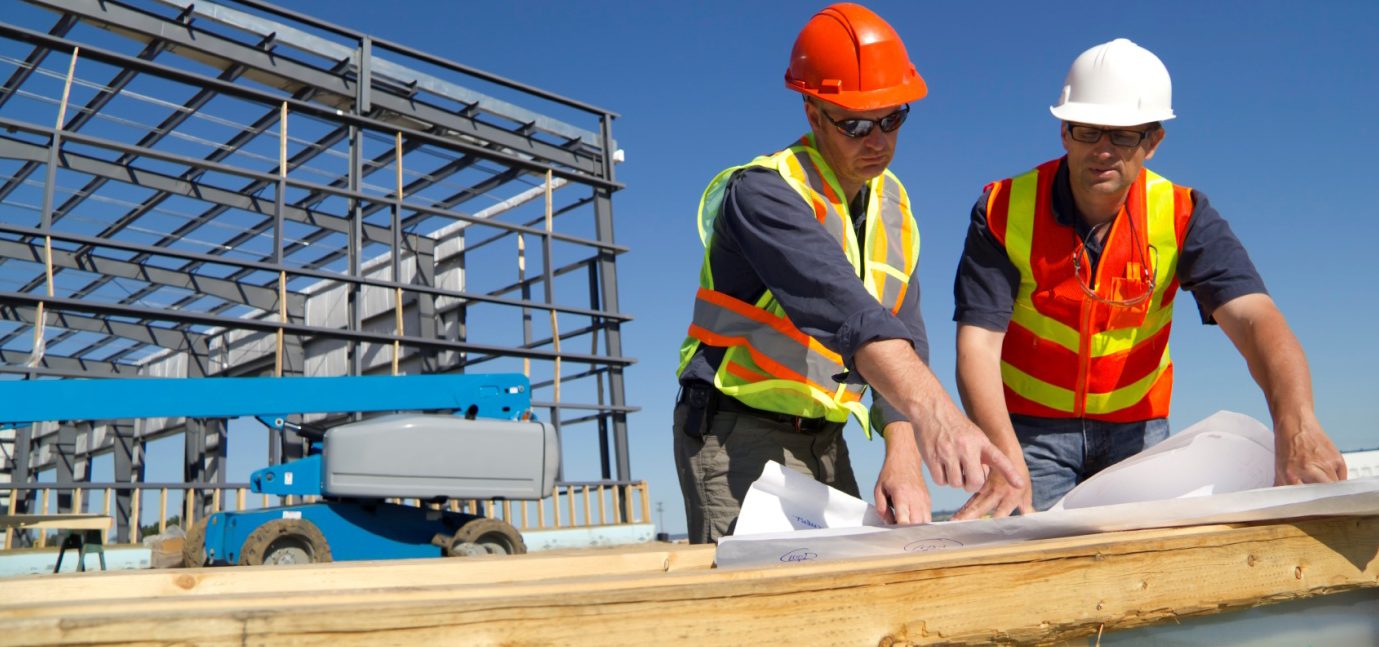
The construction industry is one of the largest and most vital sectors of the global economy. It shapes cities, builds infrastructure, creates millions of jobs, and drives economic development. From residential housing and commercial buildings to roads, bridges, and smart cities, construction impacts everyday life.
In recent years, the industry has undergone a major transformation. Digital tools, sustainability practices, and cloud-based platforms like Autodesk Construction Cloud are changing how construction projects are planned, executed, and delivered. At the same time, construction jobs are evolving, offering new career opportunities for skilled workers, engineers, managers, and technology specialists.
This article provides a complete overview of construction, explores career opportunities in construction jobs, and explains how Autodesk Construction Cloud is revolutionizing the industry.
What Is Construction? An Industry Overview
Construction refers to the process of building, renovating, and maintaining physical structures and infrastructure. It includes activities such as design, planning, material sourcing, labor management, and project execution.
Types of Construction
-
Residential Construction – Houses, apartments, and housing societies
-
Commercial Construction – Offices, malls, hospitals, hotels, and schools
-
Industrial Construction – Factories, warehouses, power plants
-
Infrastructure Construction – Roads, bridges, railways, airports, dams
Each segment requires specialized skills, materials, and project management approaches, making construction a diverse and complex industry.
Importance of the Construction Industry
The construction sector plays a crucial role in economic growth and social development.
Key Benefits of Construction
-
Generates large-scale employment
-
Supports allied industries like steel, cement, and real estate
-
Improves transportation, healthcare, and education infrastructure
-
Boosts urbanization and smart city development
In countries like India, construction contributes significantly to GDP and is a major source of jobs for both skilled and unskilled workers.
Construction Jobs: Career Opportunities and Growth
Construction jobs offer a wide range of career paths, from on-site labor roles to high-level management and technology-driven positions. With infrastructure expansion and digital transformation, job demand continues to grow.
Popular Construction Job Roles
1. Construction Laborer
Responsible for physical tasks such as material handling, site cleaning, and assisting skilled workers. These jobs are entry-level and require minimal formal education.
2. Skilled Trades Workers
Includes electricians, plumbers, masons, carpenters, and welders. These roles require technical training and offer higher wages than general labor jobs.
3. Civil Engineer
Civil engineers design, plan, and supervise construction projects. They ensure structural safety, cost efficiency, and regulatory compliance.
4. Site Supervisor / Site Engineer
They manage daily on-site activities, coordinate workers, and ensure projects follow timelines and safety standards.
5. Project Manager
Construction project managers oversee budgets, schedules, resources, and communication between stakeholders.
6. Quantity Surveyor
Responsible for cost estimation, budgeting, and financial management of construction projects.
7. BIM Specialist
With digital construction tools gaining importance, BIM (Building Information Modeling) specialists are in high demand.
Skills Required for Construction Jobs
To succeed in construction careers, professionals need a mix of technical and soft skills.
Essential Skills
-
Technical knowledge of construction methods
-
Problem-solving and decision-making
-
Safety awareness and risk management
-
Communication and teamwork
-
Digital skills and software knowledge
Modern construction increasingly values professionals who can work with digital platforms like Autodesk Construction Cloud.
Challenges in the Construction Industry
Despite growth, the construction sector faces several challenges:
-
Project delays and cost overruns
-
Poor communication among stakeholders
-
Labor shortages and skill gaps
-
Safety risks on job sites
-
Inefficient documentation and data management
These challenges have accelerated the adoption of digital construction management solutions.
What Is Autodesk Construction Cloud?
Autodesk Construction Cloud is a powerful, cloud-based platform designed to connect teams, workflows, and data across the entire construction lifecycle. It integrates project management, cost control, design collaboration, and field execution into one unified system.
This platform is widely used by contractors, engineers, architects, and project owners to improve efficiency and transparency.
Key Features of Autodesk Construction Cloud
1. Centralized Project Data
All project documents, drawings, and models are stored in one secure cloud location, reducing errors and miscommunication.
2. Project Management Tools
Helps teams manage schedules, RFIs, submittals, and daily reports in real time.
3. Construction Cost Management
Tracks budgets, contracts, and expenses, helping avoid cost overruns.
4. Field Management
Enables on-site teams to access drawings, report issues, and track progress using mobile devices.
5. BIM and Design Collaboration
Supports Building Information Modeling, allowing designers and builders to collaborate seamlessly.
Benefits of Using Autodesk Construction Cloud
Autodesk Construction Cloud delivers measurable benefits across construction projects.
Major Advantages
-
Improved collaboration between office and site teams
-
Reduced project risks and rework
-
Better decision-making through real-time data
-
Enhanced productivity and efficiency
-
Increased project visibility and accountability
By using this platform, construction companies can deliver projects faster, safer, and within budget.
How Autodesk Construction Cloud Impacts Construction Jobs
Digital platforms are reshaping construction careers. Professionals who understand tools like Autodesk Construction Cloud have a competitive advantage in the job market.
Career Impact
-
Higher demand for tech-savvy engineers and managers
-
New roles in BIM, data analysis, and digital project management
-
Improved productivity and reduced workload stress
-
Better career growth and salary potential
Learning construction software is now as important as traditional engineering skills.
Future of Construction and Digital Transformation
The future of construction is smart, sustainable, and technology-driven. Innovations such as AI, automation, prefabrication, and cloud platforms will continue to transform how projects are executed.
Future Trends
-
Increased use of cloud-based construction management tools
-
Growth in green and sustainable construction
-
Demand for skilled and digitally trained workers
-
Integration of AI and data analytics in construction planning
Autodesk Construction Cloud is expected to play a key role in shaping this digital future.
Conclusion
The construction industry remains a backbone of economic development, offering diverse construction jobs across skill levels and professions. As projects grow more complex, traditional methods are no longer sufficient. Digital solutions like Autodesk Construction Cloud are transforming construction by improving collaboration, efficiency, and transparency.
For professionals, learning modern construction technologies opens new career opportunities and ensures long-term growth. For companies, adopting cloud-based platforms leads to better project outcomes and competitive advantage. In the coming years, construction will continue to evolve, blending skilled labor with smart digital tools to build a stronger and more sustainable world.